
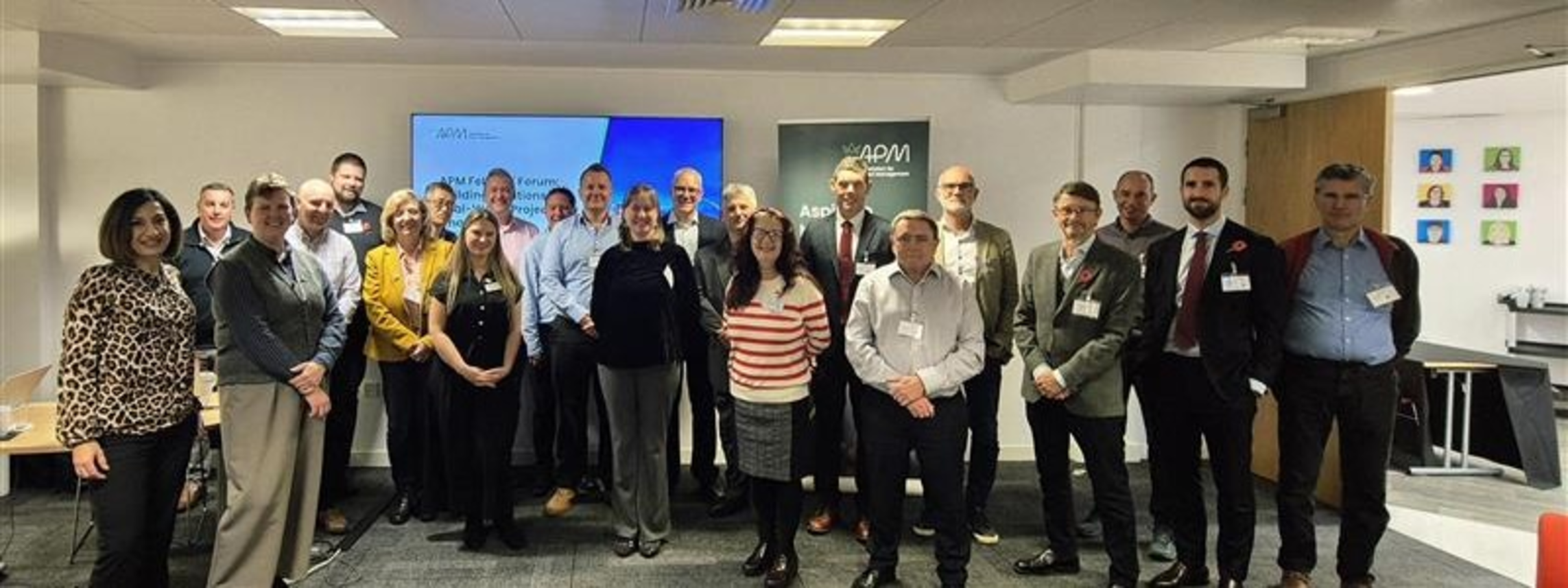
APM Fellows' Forum: Building capability for the future of the profession
The recent Fellows’ Forum in Glasgow explored the role of the APM Competence Framework in meeting the development needs of the project profession and supporting real-world success.
Fellows discussed the strengths and weaknesses in skills across the profession, and ways in which the competence framework could be developed to meet current and future challenges.
About the APM Competence Framework
The APM Competence Framework sets out the competences required for effective project, programme, portfolio management and project management office. It consists of 29 competences based around outcomes that project professionals need to achieve.
Ahead of the next review of the competence framework, it is vital for APM to draw on the expert knowledge, experiences and perspectives of the profession, starting with our Fellows.
As well as being used by organisations developing their teams, the competence framework is also used by APM to design webinars, events and learning activities across the range of people we engage with, from work experience students to Chartered project professionals.
Current strengths and skills gaps
We started the Forum workshops by exploring the current competency framework, ranking the competences in each section of the framework to show the strengths and areas for development within the profession.
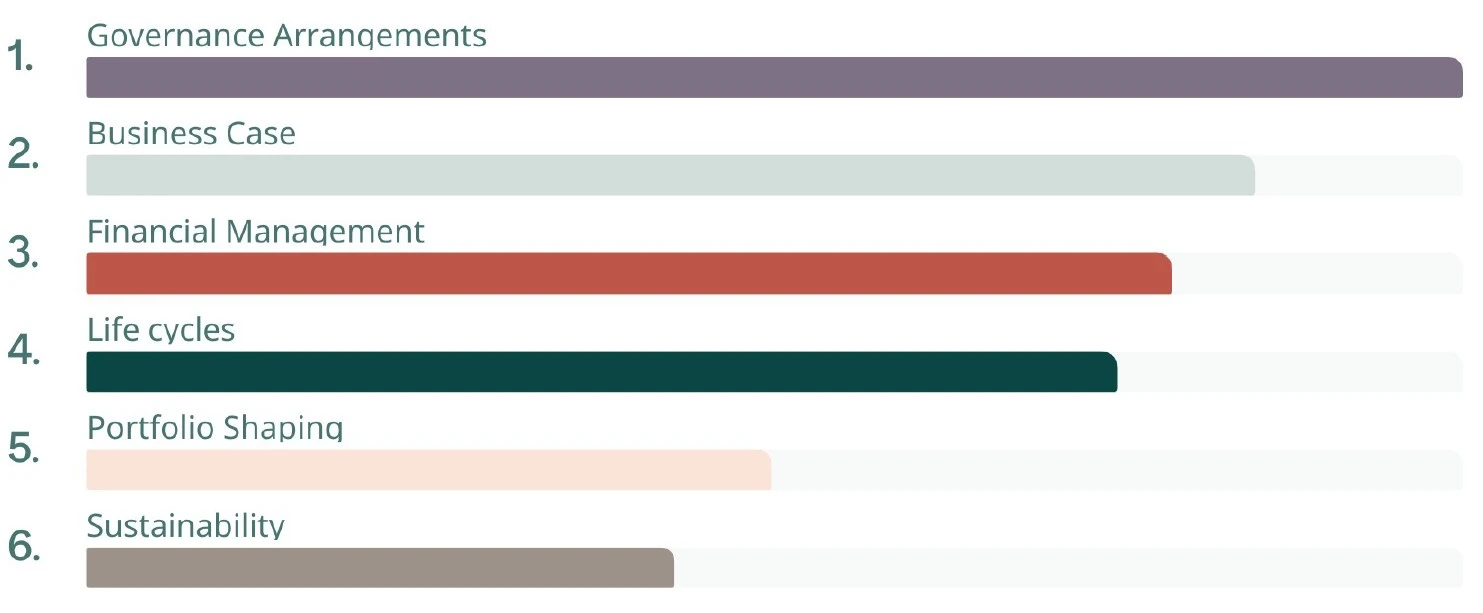
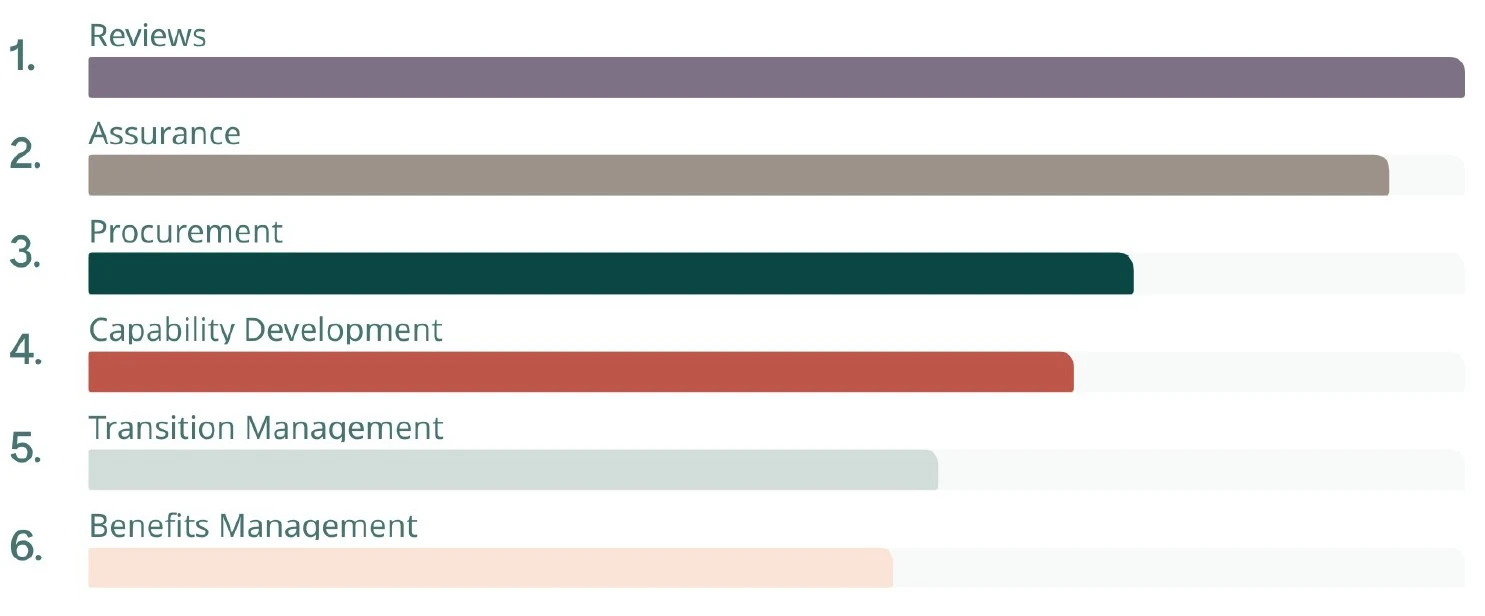
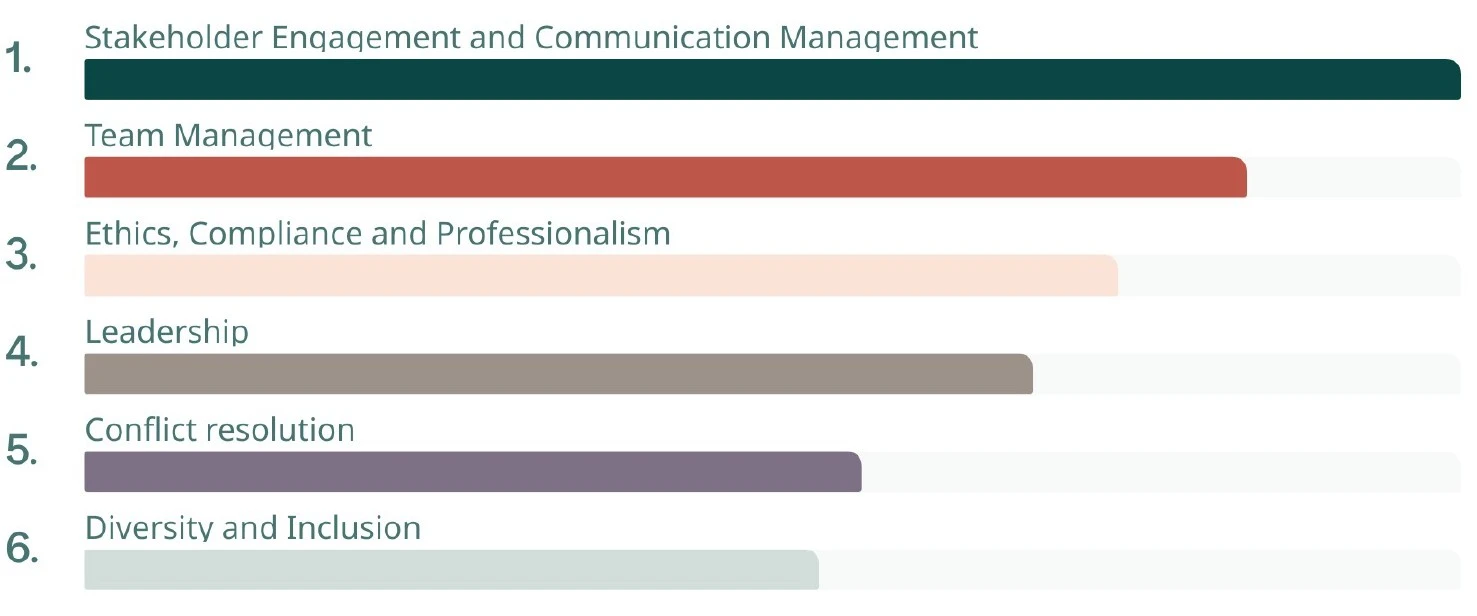
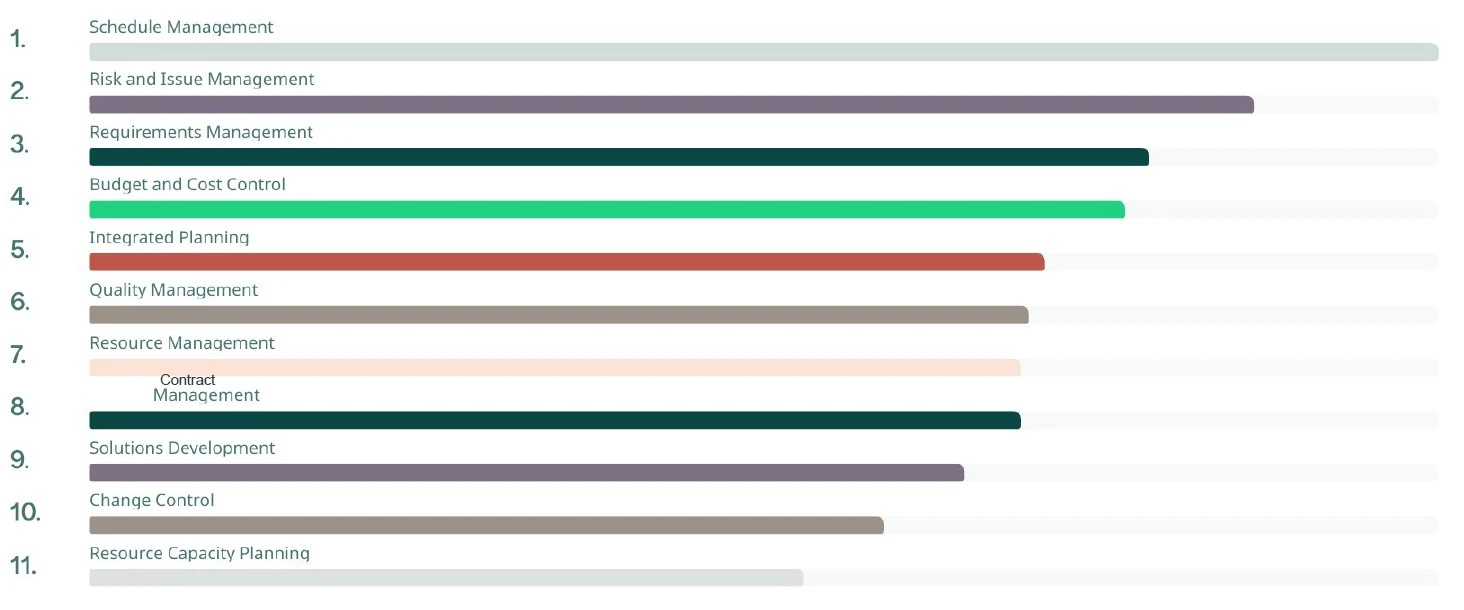
Discussing these findings, we considered skills relating to the long-term impacts of projects, from transition management and realising benefits to the importance of embedding sustainability in a project’s scope and requirements at the very start.
There was also debate around the role of the project manager, and the potential disconnects between project and programme roles, portfolio shaping and leadership more broadly.
Resource capacity planning was another area that the Fellows marked for improvement, noting the effect of optimism bias and the difficulties in securing people with the right skills at the right time.
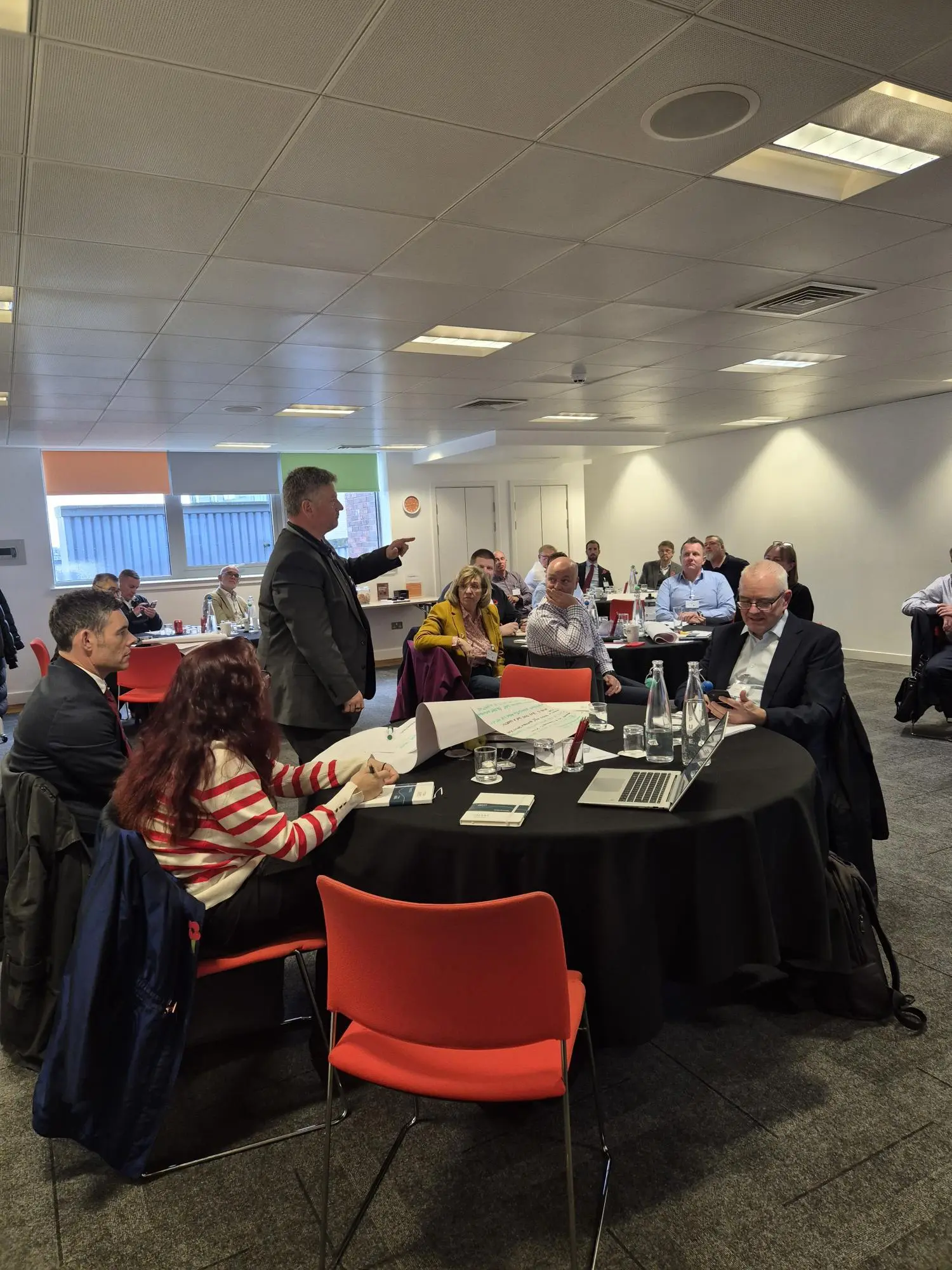
Skills for the future of project management
We then shifted our attention to ask “what’s missing” from the current competence framework, at the same time acknowledging that the framework needs to be workable and that in some areas there is potential to work more closely with other relevant professional bodies.
Gaps identified by the Fellows included systems thinking, sponsorship, knowledge management, safety (physical, mental and emotional), emotional intelligence, resilience, understanding of culture change, and coaching and mentoring.
Data analytics and artificial intelligence skills were also highlighted as being increasingly important. Fellows warned against chasing trends, emphasising instead the importance of the human skills and professional judgement required to use and interpret work carried out by AI.
We ended by sketching out some of the skill areas in more detail, looking at the need and motivation for gaining the skill, and the barriers to the skill being fully developed.
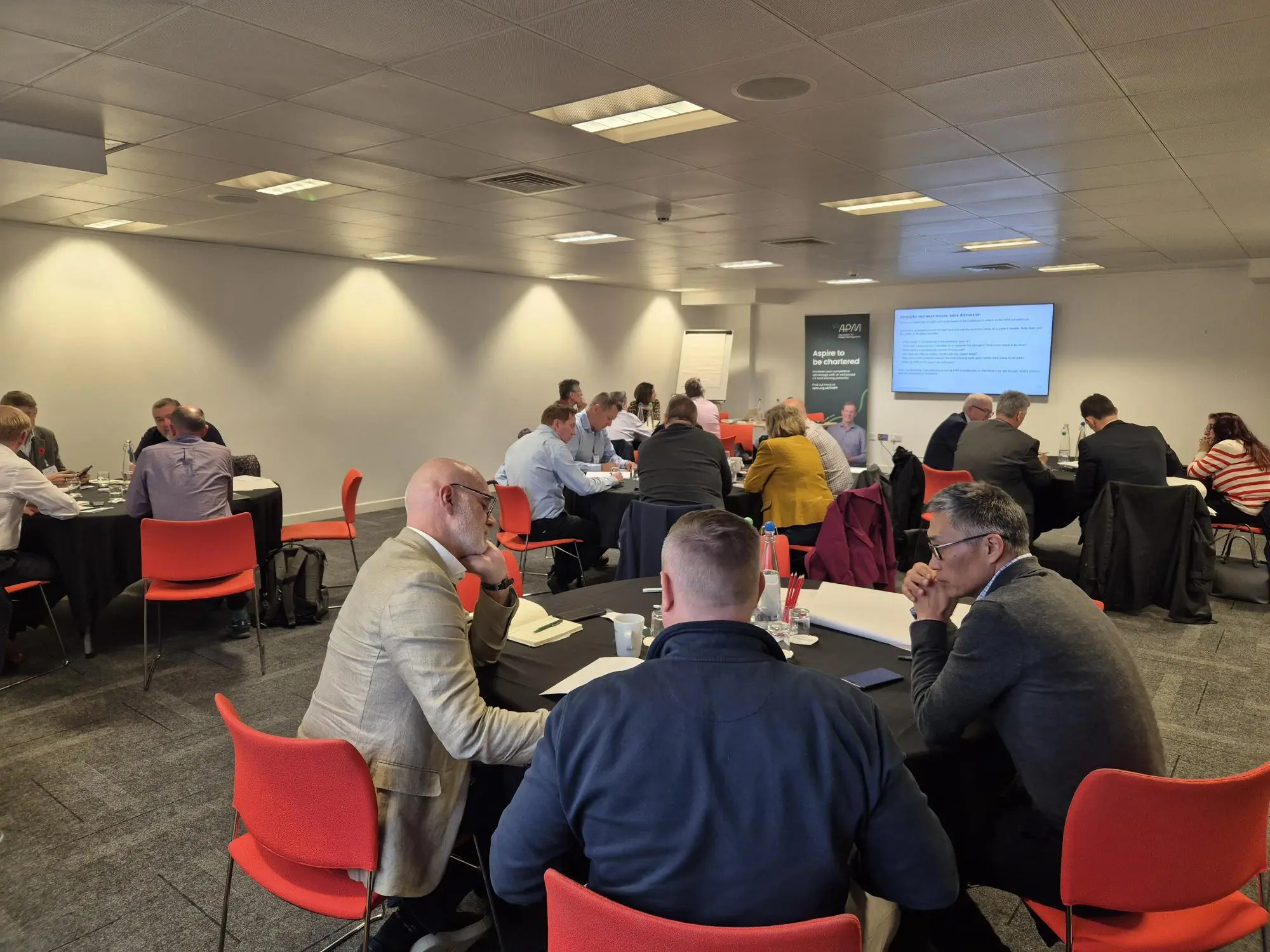
Overall, this was an afternoon of rich and robust discussion, and we could have continued talking for many more hours! The intention was to provide Fellows with a forum to contribute to shaping the future skills development of the profession, as well as giving us at APM incredibly valuable insights from the broader project community, and feedback on the work that we do.
Feedback from attendees: “Very engaging and inclusive”. “I love that you are moving the location around the country to be able to get different perspectives. Thank you”
Thank you to all the Fellows who attended and to the APM Scotland Regional Network.
Comment below to add your thoughts to the conversation. We have also reopened a Fellows-only community group, to enable ongoing discussion and debate.
Written by Sarah Layzell